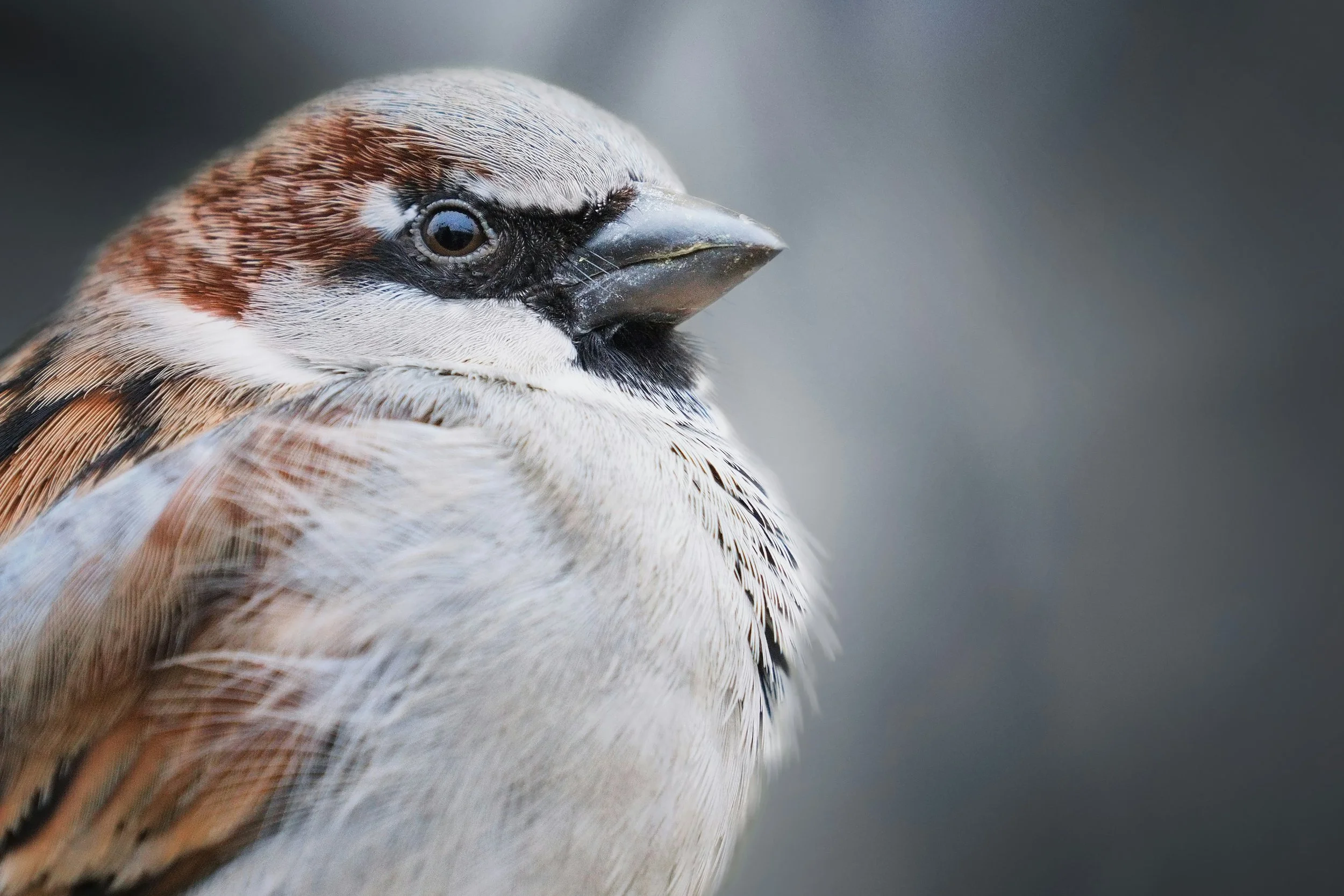
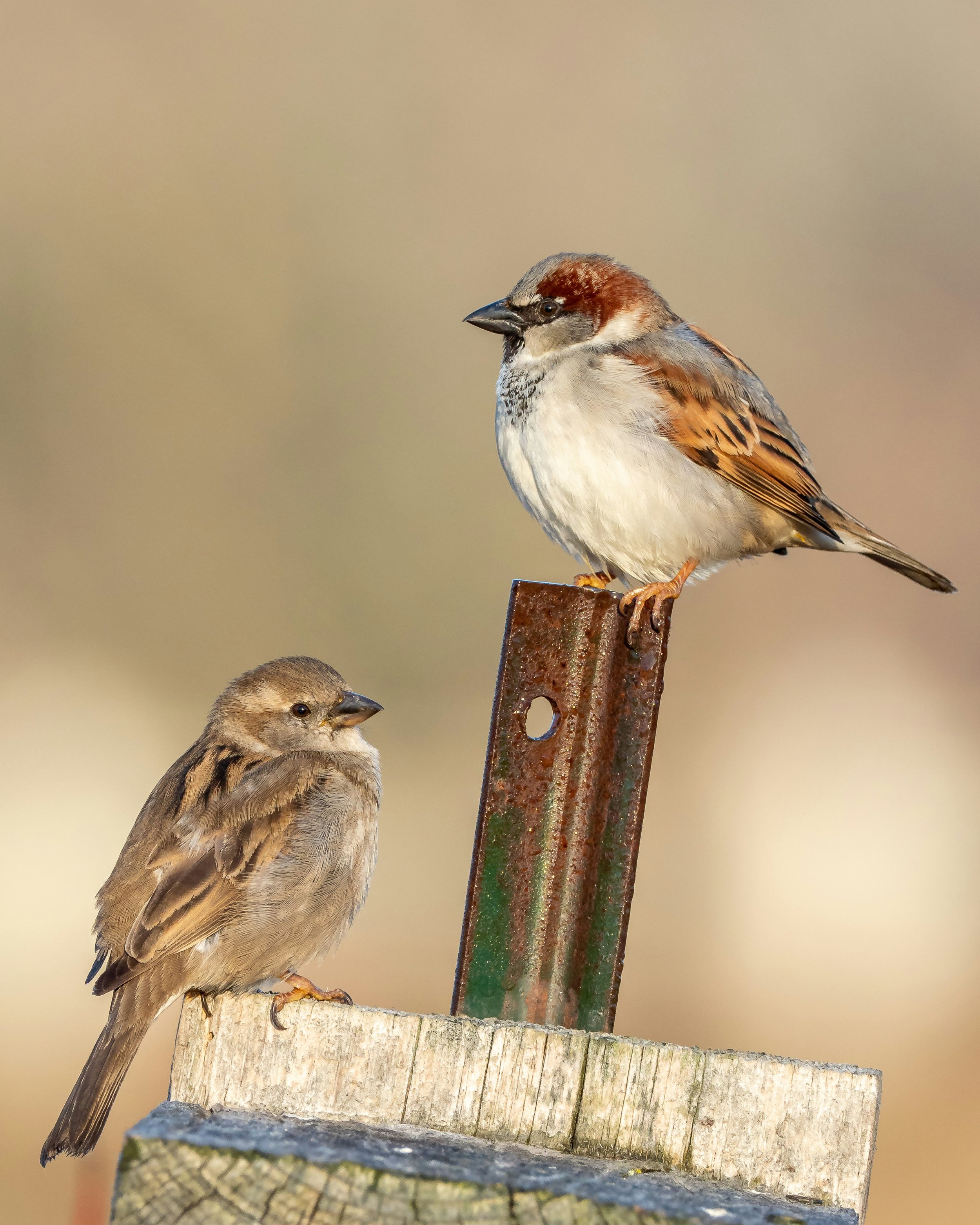
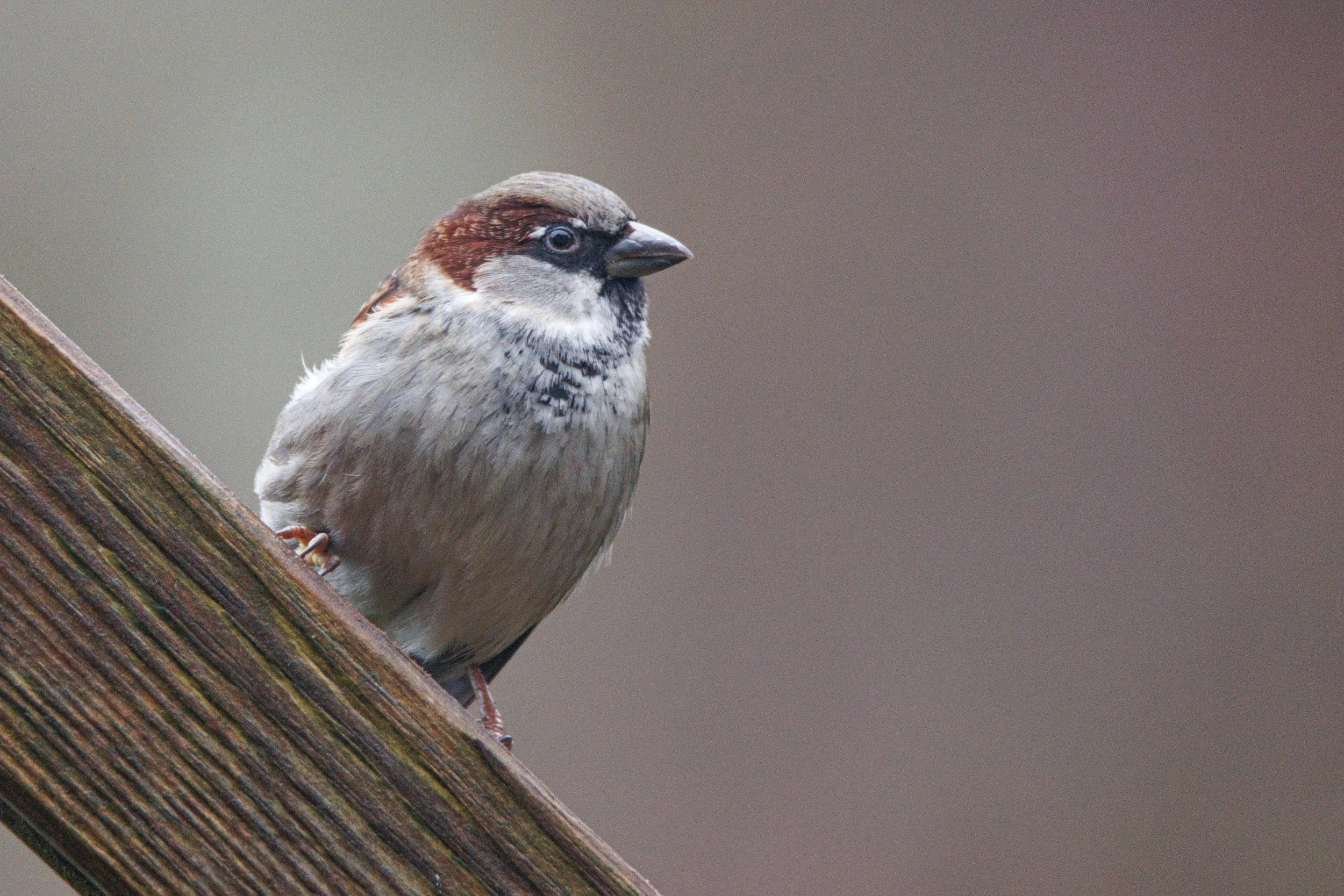
I was sitting in my living room the other day, and a female house sparrow flew into the window. Unfortunately she died after what I assumed broke her neck, but then something very odd happened after that. A male house sparrow lingered around the area where the female died for about 30 minutes, as if he was looking for something. His mate maybe? So I did some research and here is what I found.
The House Sparrow doesn’t strictly mate for life in the way some birds do, but they are socially monogamous during a breeding season and often stay with the same partner if both survive. So while it’s not a lifelong bond in every case, they can form strong, familiar pairings.
When one partner dies, a few things can happen:
The surviving bird may linger around the nesting or feeding area, calling and searching.
This behaviour can look very much like “looking for” their partner.
In reality, it’s likely a mix of habit, territorial instinct, and pair-bond disruption rather than mourning in a human emotional sense.
That said, birds aren’t unfeeling. Research suggests many species, including sparrows, can experience stress and behavioural changes when a mate disappears. So while we should be careful about projecting human grief onto them, what you’re seeing is still a real response to loss and confusion.
In most cases, the male will eventually:
Move on and seek another mate, sometimes quite quickly during breeding season
Or continue using the same territory and attract a new partner there
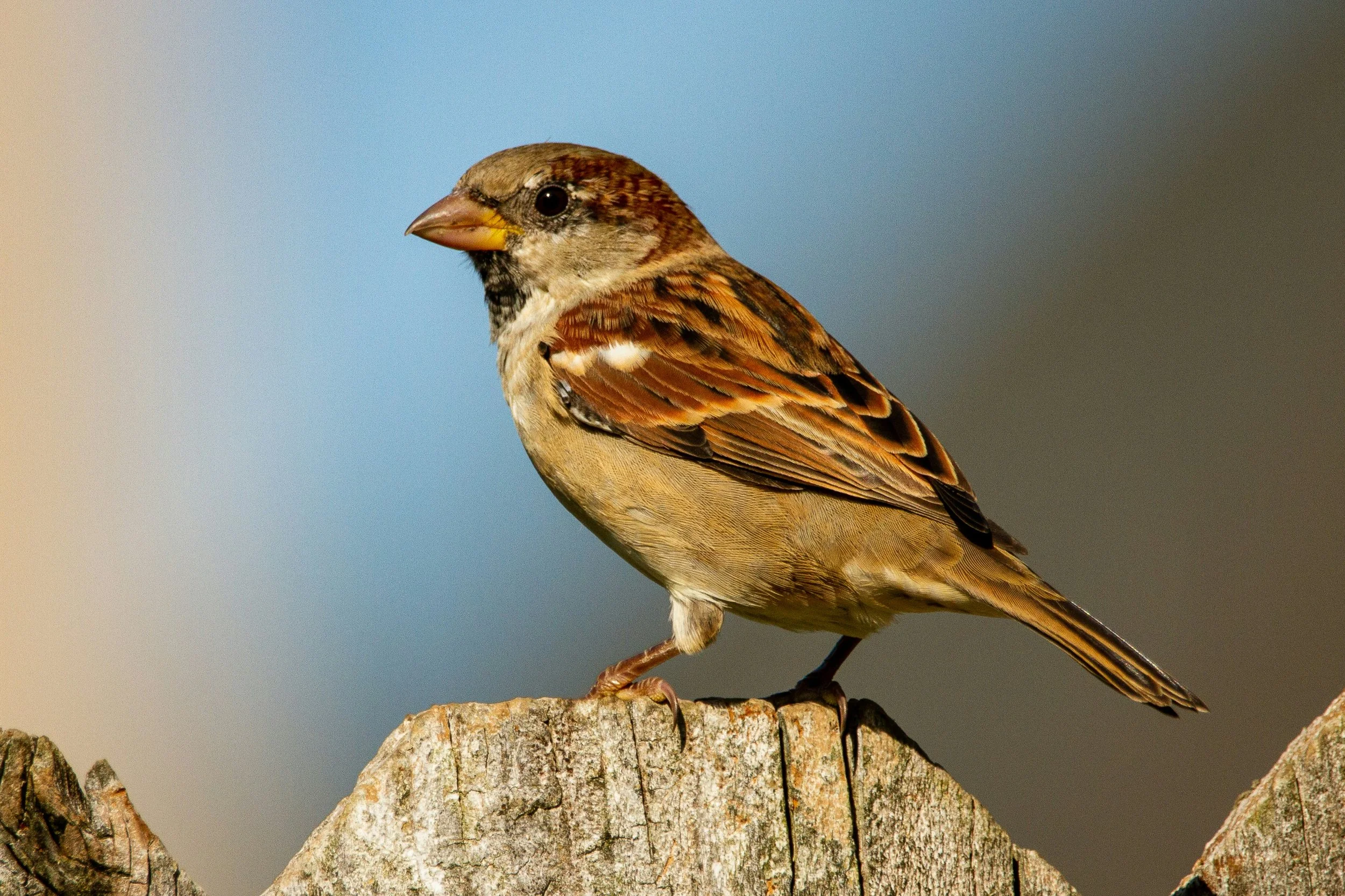
It might feel sad to watch, but it’s also part of how resilient these birds are—they adapt quickly because they have to.
A Final Thought
If you have any thoughts on this or have witnessed this like I did, I’d love to hear from you!
Thanks
Lizzie